 Search for...
Informations à mettre à jour


DEMANDE MAINTFRANT
Irrigation Plastic Valve Suppliers
La série de vannes et de raccords de tuyauterie est un élément clé d'un système d'irrigation, conçu pour connecter et contrôler le débit d'eau. Cette série de produits comprend une variété de vannes, de joints et de raccords de tuyauterie, adaptés à différents types de systèmes d'irrigation et de distribution d'eau, garantissant un écoulement fluide et précis de l'eau dans les tuyaux. La vanne fournit des fonctions marche-arrêt et de réglage précises du débit, permettant à l'utilisateur de contrôler la quantité d'eau selon ses besoins. Les raccords de tuyauterie sont fabriqués à partir de matériaux de haute qualité et durables, résistants à la pression et à la corrosion, et peuvent s'adapter à divers environnements d'installation complexes et conditions de qualité de l'eau. Qu'il s'agisse d'irrigation agricole, de systèmes de jardinage ou d'utilisation industrielle de l'eau, ces produits garantissent un fonctionnement stable et efficace tout en simplifiant l'installation et la maintenance du système.
SÉRIE DE VANNES ET DE RACCORDS DE TUYAUX
Informations à mettre à jour
À propos de nous
Ningbo Dewo Irrigation Equipment Co., Ltd.
Ningbo Dewo Irrigation Equipment Co., Ltd. is China Irrigation Plastic Valve Suppliers and Irrigation Plastic Valve Company, in Yuyao City, Ningbo, Zhejiang Province. It is adjacent to the two major ports of Ningbo and Shanghai and has very convenient transportation.
Avec 20 ans d'expérience professionnelle dans la fabrication, c'est un fabricant formel intégrant la conception de produits, la R&D, la production et les ventes. Elle est spécialisée dans la production et la vente de divers produits d'irrigation économes en eau.
Dewo Irrigation couvre une superficie de 15 000 mètres carrés. Il dispose d'un ensemble complet d'équipements tels que la fabrication, l'assemblage et les tests de moules à injection pour garantir la qualité et les délais de livraison des commandes des clients.
Exploiter de manière continue et efficace le système de gestion de la qualité ISO9001, en fournissant les conditions nécessaires pour répondre aux besoins des clients.
Notre entreprise a toujours pris « l'économie d'eau » comme concept et « l'intégrité d'abord, la qualité d'abord » comme concept. Nous attendons avec impatience une coopération sincère, une coopération à long terme et un développement gagnant-gagnant avec des amis de tous horizons au pays et à l'étranger.
La vertu est partout, et les champs fertiles sont à des milliers de kilomètres ! Sur la base de la vertu, nous travaillerons ensemble pour des champs fertiles !
Actualités
-
Concevoir un système de gicleurs est un travail pratique et non un jeu de devinettes. Le bon design comm...
READ MORE -
Irrigation goutte à goutte Comment : le résultat final à l'avant Un système d'irrigation...
READ MORE -
La réponse courte : comment installer un système d’irrigation goutte à goutte La méthode d’install...
READ MORE -
La plupart des systèmes d’irrigation goutte à goutte devraient fonctionner pendant 1 à 4 heures par ...
READ MORE -
Installer un système d’irrigation goutte à goutte pour votre jardin est un projet simple. Vous n’avez pa...
READ MORE
Produits associés
-
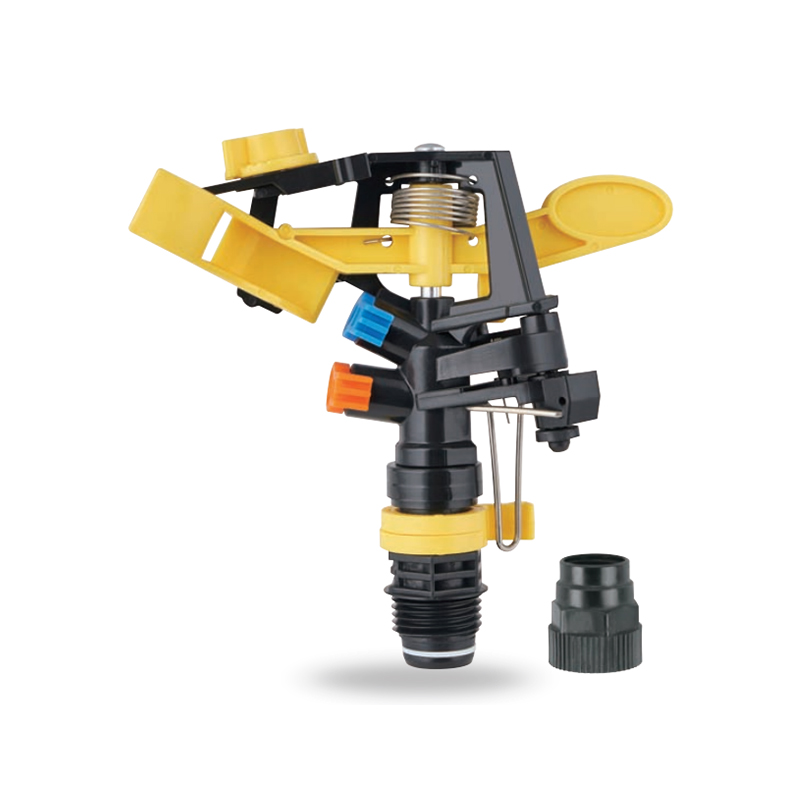
L'arroseur à impact pour l'irrigation agricole est un outil d'irrigation agricole courant et efficace conçu pour de vastes superficies de terres agricoles. Sa structure unique peut c...
See Details -
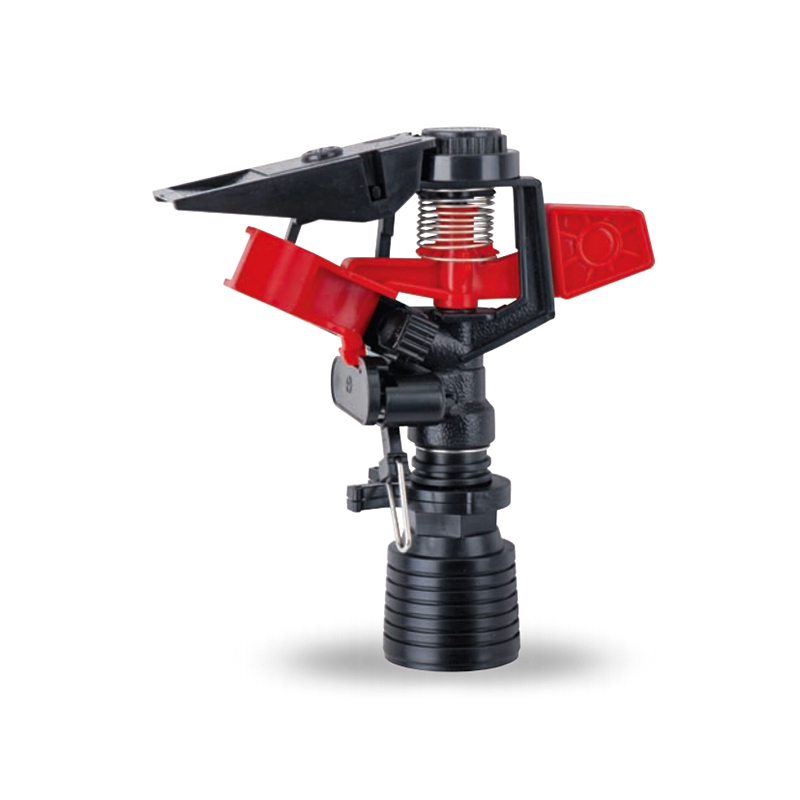
Cet arroseur à impact à buse à culbuteur réglable à 360 degrés est un élément essentiel d'un système d'irrigation conçu pour répondre à un large éventail de besoins horticoles et agricole...
See Details -
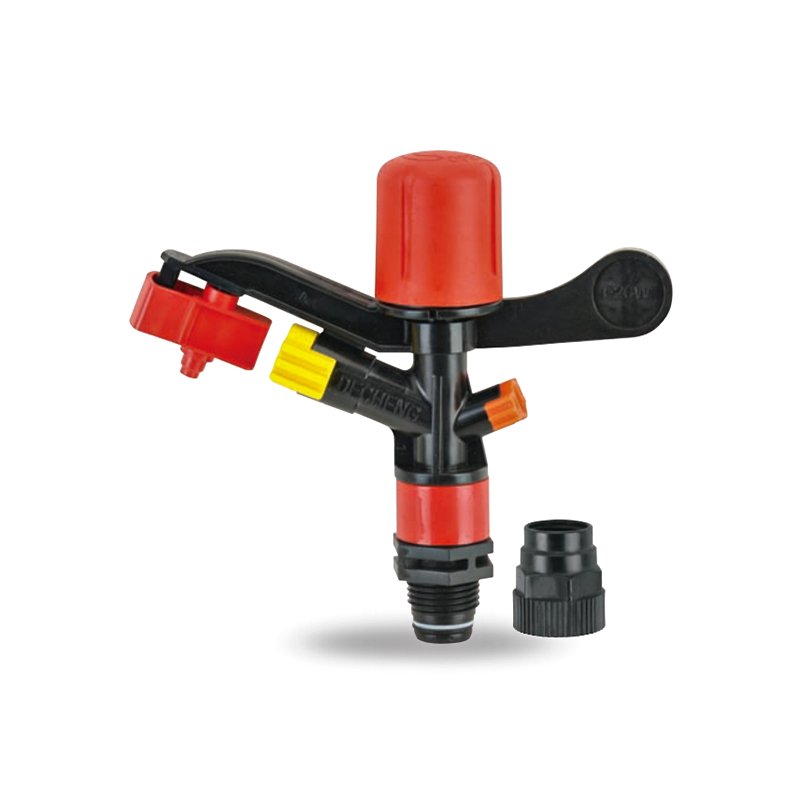
Le pulvérisateur à impact en plastique à cercle complet est un dispositif d'irrigation à cercle complet très efficace conçu pour fournir une couverture uniforme de l'humidité. Son matéria...
See Details -
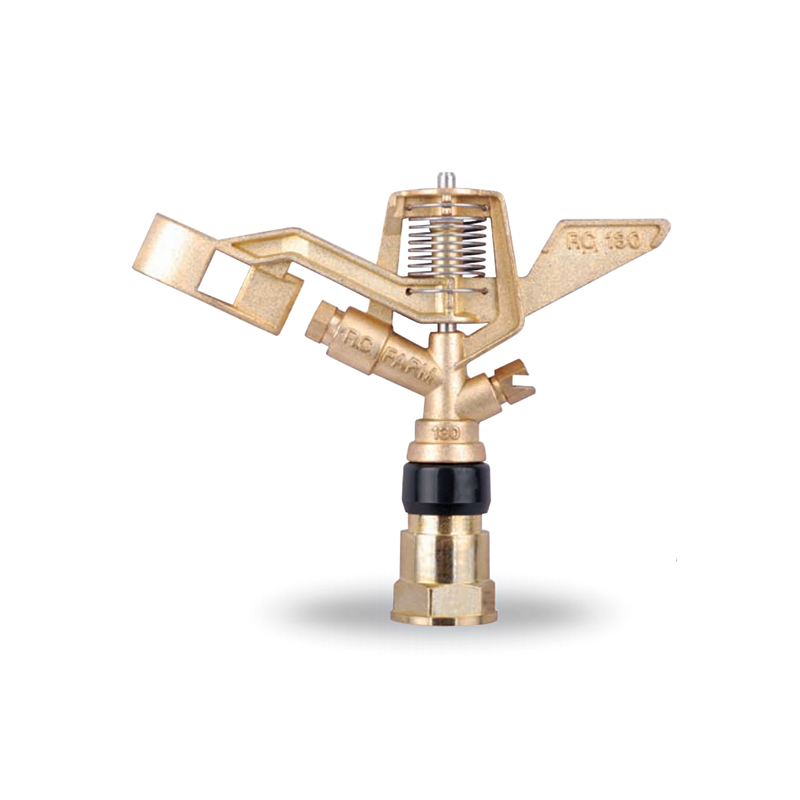
Cet arroseur à impact pour système d'arrosage à bras pivotant en alliage de zinc de 3/4" est idéal pour les systèmes d'irrigation agricole en raison de sa durabilité supérieure et de sa r...
See Details -
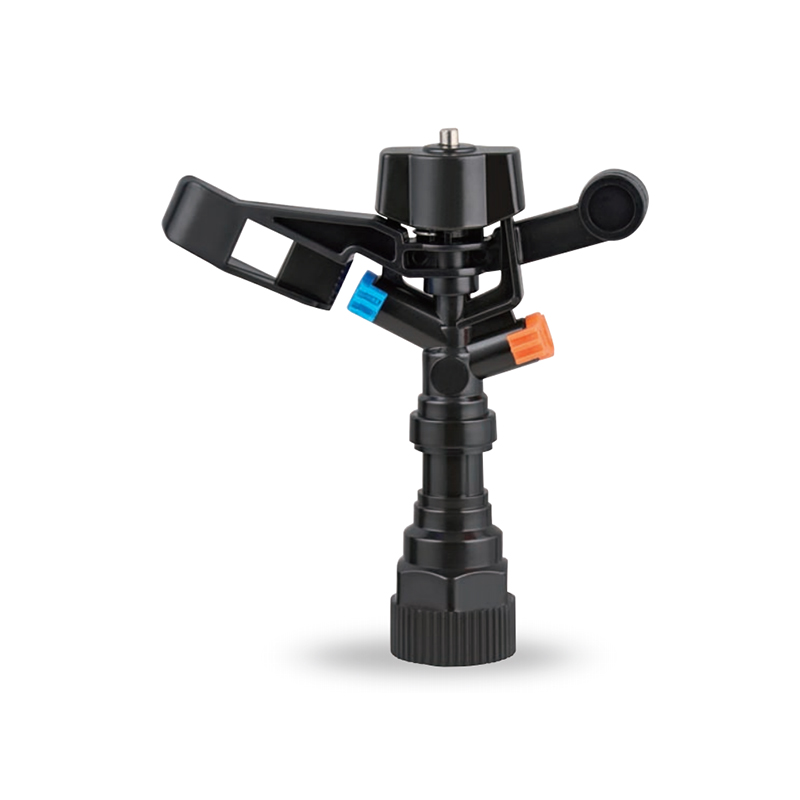
L'arroseur à cercle complet à double buse à impact de ferme de jardin est bien conçu pour pulvériser l'eau efficacement et uniformément, améliorant ainsi la qualité de la croissance des c...
See Details -
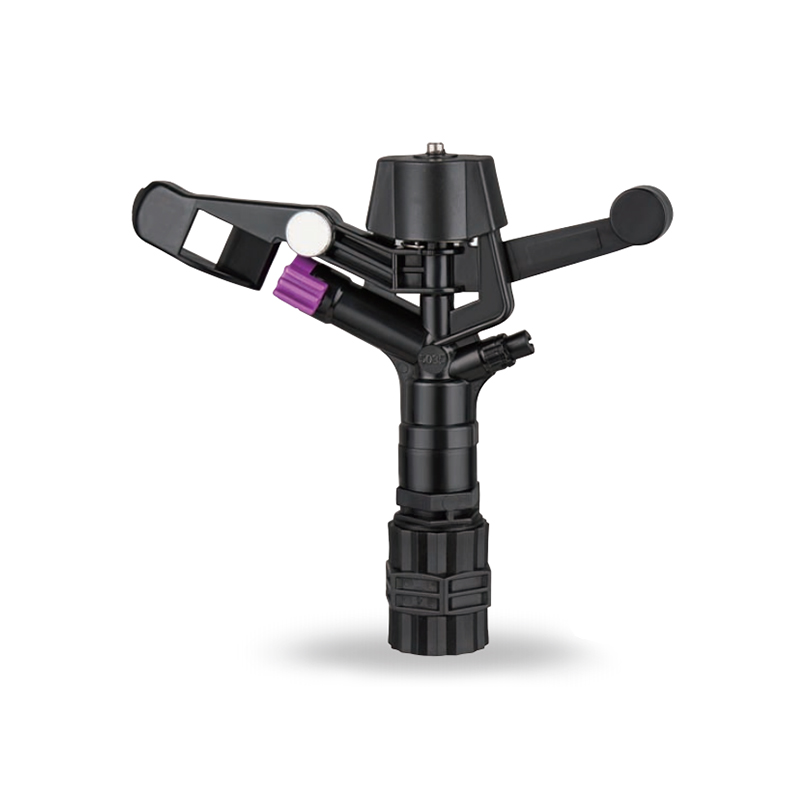
L'arroseur à impact en plastique pour eau agricole à double buse pour arroseur d'irrigation allie praticité et durabilité avec un système à double buse qui offre une couverture d'eau...
See Details
Commentaires sur les messages
SÉRIE DE VANNES ET DE RACCORDS DE TUYAUX Industry knowledge
How Does HDPE Compare to PVC in Manufacturing High-Performance Irrigation Plastic Valves?
In the competitive world of agricultural and industrial irrigation systems, the choice of materials for manufacturing critical components like plastic valves can make or break performance. Two polymers dominate the conversation: High-Density Polyethylene (HDPE) and Polyvinyl Chloride (PVC).
Material Properties: HDPE vs. PVC
1. Durability and Flexibility
HDPE excels in environments requiring impact resistance and flexibility. Its molecular structure allows it to withstand extreme temperatures (-50°C to 60°C) and physical stress without cracking, making it ideal for valves in dynamic or high-pressure irrigation systems. PVC, while rigid and strong, becomes brittle under prolonged UV exposure or sub-zero conditions, limiting its use in harsh climates.
2. Chemical and Corrosion Resistance
Both materials resist chemical corrosion, but HDPE outperforms PVC in handling acidic or alkaline fluids common in fertilizer-injection systems. PVC’s chlorine content offers inherent resistance to microbial growth, but it may degrade when exposed to certain hydrocarbons.
3. Installation and Maintenance
HDPE valves are lightweight and joined using heat fusion, creating leak-free, monolithic systems. PVC relies on solvent welding or threaded connections, which can weaken over time. For large-scale irrigation networks, HDPE’s fusion joints reduce long-term maintenance costs.
4. Environmental Impact
HDPE is 100% recyclable and requires less energy to produce than PVC, which releases toxic chlorine compounds during manufacturing. Sustainability-focused projects increasingly favor HDPE to meet green certifications.
Why Ningbo Dewo Irrigation Excels in Valve Manufacturing
Strategically located near Ningbo and Shanghai ports, Ningbo Dewo Irrigation Equipment Co., Ltd. combines two decades of R&D expertise with streamlined logistics to deliver precision-engineered irrigation valves. Their product range—including ball valves, diaphragm valves, and solenoid valves—utilizes both HDPE and PVC, tailored to client needs.
HDPE Valves: Designed for longevity in corrosive or high-stress environments, such as coastal farms or industrial zones.
PVC Valves: Cost-effective solutions for lightweight, low-pressure residential or greenhouse systems.
The company’s integrated approach—from prototyping to mass production—ensures rigorous quality control. Advanced molding technologies and ISO-certified processes guarantee dimensional accuracy and reliable performance, whether customers prioritize HDPE’s resilience or PVC’s affordability.
While PVC remains a budget-friendly option for simpler applications, HDPE is increasingly the material of choice for irrigation plastic valve demanding durability, chemical resistance, and sustainability. As global agriculture faces climate challenges and water scarcity, innovators like Ningbo Dewo Irrigation are pivotal in advancing systems that maximize efficiency and minimize waste.

PRODUITS ET SERVICES

CONTACTEZ-NOUS
 No.518, route Ruihao, rue Lizhou, ville de Yuyao, province du Zhejiang, Chine
 +86-13105554615 / +86-18005843886
 decheng@dcssq.com fredzhu@dcssq.com
 LISA
LISA
 Fred Zhu
Copyright© Ningbo Dewo Irrigation Equipment Co., Ltd. Tous droits réservés. China Irrigation Plastic Valve Suppliers Irrigation Plastic Valve Company
